Stories are our foundation.
From every era, culture, and genre, stories keep us grounded in our humanity and ensure that we can build our identity.
Stories are for everyone.
All stories are accessible with the right tools.
Connection
Every character and event in a story has some element that connects with personal experience. We look for what is familiar and gravitate towards it.
Comprehension
Vocabulary and phrasing lead us to draw conclusions not explicitly stated, adding depth and meaning to stories, just as body language and tone complement the spoken word.
Critical Thinking
Every story holds themes and ideas that lead to questions and discussion relevant outside of the story itself. Dialogue and structure can provide clues to be examined and analyzed.
Context
Every story is rooted in author experience and cultural environment, providing a unique perspective on relevant themes and concepts.
Comparison
No story exists in a vacuum. Comparison across media and context provides a well-rounded experience of any element of humanity expressed through storytelling.
Correlation
Stories are not just expressed and understood through the written word. They can be explored through art, through technology, through movement, and through many other activities.
An array of resources
From virtual clubs to teaching tools, from works of fiction to merchandise
Teen and Preteen Book Clubs
- Virtual live guided discussion
- Inclusive, student centered environment
- Guaranteed learner safety through the Outschool platform
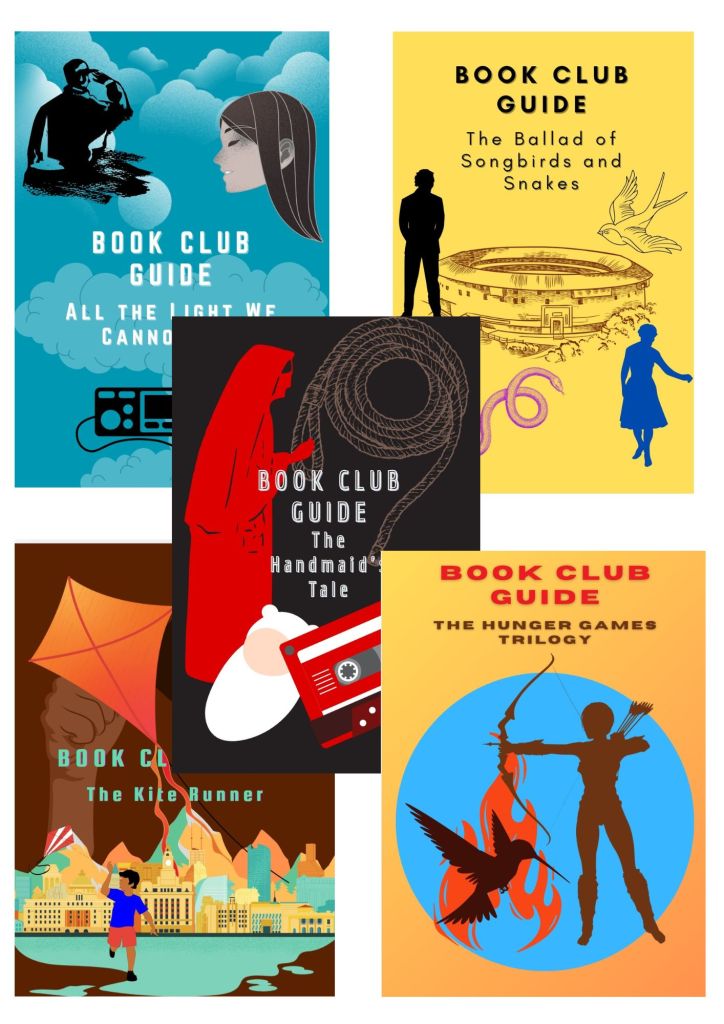
Literature Study Guides
- Affordable comprehensive printable material
- Visually appealing
- Eclectic book choices
 The Word Worker